

How Tree Growth Regulator Treatments This Spring Can Strengthen Trees and Improve Health
What if your trees could grow stronger, deeper roots and better withstand stress? Learn how STC uses tree growth regulators to support long-term health.
Healthy, resilient trees don’t happen by accident — they’re the result of intentional, proactive care. For Shoreline and Eastside properties with mature landscapes and high-value trees, tree growth regulators are one of the most effective ways to improve strength, root development, and overall performance.
Growth regulators strengthen trees from the inside out, redirecting energy from excessive shoot growth toward root development, drought tolerance, and disease resistance. Here’s what they do, which species respond best, and how they fit into a broader care strategy for your property.
Key Takeaways
- A single professional application can deliver 2–3 years of benefits, including darker foliage, stronger root systems, and improved structural integrity.
- Not every tree responds the same way — ISA Certified Arborists tailor applications based on species, size, and site conditions.
- Timing matters – early spring applications allow trees to redirect energy as they enter active growth.
- Tree growth regulators are most effective when combined with a comprehensive plant health care program, including soil management, pest control, and structural pruning.
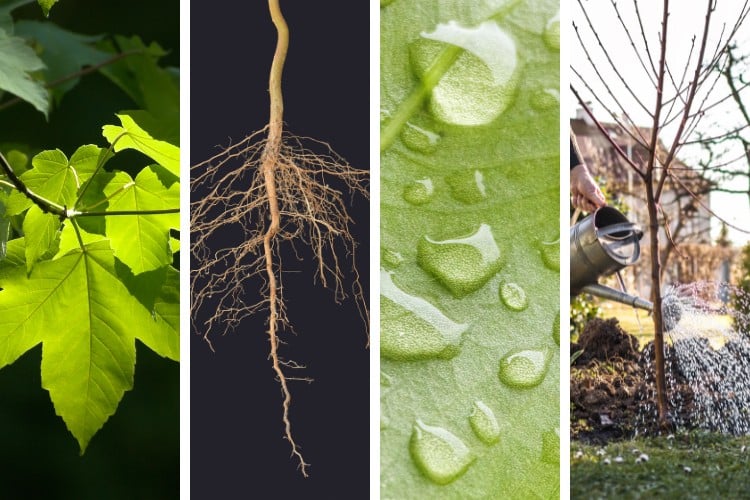
Growth regulators improve tree health in four measurable ways: darker foliage, denser root systems, stronger leaf cuticles, and more efficient water management.
What Are the Health Benefits of Tree Growth Regulators for Premium Landscapes?
Growth regulators strengthen root systems, improve foliage density, and increase resistance to drought, disease, and storm damage — all from a single professional treatment.
The treatment works by slowing excessive vertical growth. The energy the tree would have spent pushing out long, weak shoots gets redirected in ways that show up across the entire tree:
- Increased Chlorophyll Production: Foliage becomes visibly darker and healthier-looking, often within the first growing season.
- Enhanced Fine Root Development: A denser network of fine roots improves anchorage, water uptake, and nutrient absorption.
- Thicker Leaf Cuticle: This natural barrier helps defend against fungal and bacterial infections.
- Improved Water Management: Trees manage water more efficiently during the Pacific Northwest’s dry summers, when Seattle typically sees less than an inch of rain per month from July through August.
Think of it as vitality enhancement rather than growth suppression. Treated trees show a significant, multi-year reduction in shoot growth, but the real value is what happens below ground and inside the leaf. Professional soil health and root development programs amplify these benefits even further.
How Do Growth Regulators Improve Tree Structure and Resilience?
Growth regulators create a more balanced root-to-crown ratio, which directly improves how a tree performs under mechanical stress like wind, saturated soil, and heavy canopy load.
In Western Washington, atmospheric river events saturate soil for days before windstorms arrive, reducing the friction and cohesion that hold root plates in place. Trees with shallow or underdeveloped root systems lose their grip first — and that’s when failures happen. Growth regulator-treated trees hold more effectively in these conditions because of the denser fine root network they’ve already developed.
Above ground, the benefits are just as measurable:
- More Compact, Controlled Growth: Instead of producing long, fast-growing shoots that are more prone to breakage, treated trees develop shorter, sturdier growth that holds up better under wind and weight.
- Balanced Root-to-Crown Ratio: By slowing excessive top growth and strengthening the root system, trees are better equipped to handle stress — especially during wet, windy conditions common in the Pacific Northwest.
Which Mature Tree Species Respond Best to Growth Regulator Treatments?
Fast-growing species respond most dramatically because they have the most excess growth energy to redirect. In the greater Seattle area, the strongest candidates include:
- Oaks (particularly red oaks): Treated oaks develop noticeably denser root systems and darker, more vigorous foliage.
- Maples, (including bigleaf maple): A fast-growing Pacific Northwest native that benefits from managed growth near structures and views.
- Elms and Birch: Both show measurable improvements in drought tolerance and pest resistance after treatment.
But not every tree is a good candidate. Species, size, health, and site conditions all influence whether treatment is appropriate. Some trees, like Japanese maples and dogwoods, benefit from adjusted dosing due to their sensitivity, while others, such as slow-growing species like white oak, show little measurable response and are generally not worth treating.
When Is the Best Time to Apply Growth Regulators in the Seattle Climate?
Early spring — March through early April — is the optimal application window, as trees break dormancy and begin active transpiration. The treatment takes 20 to 35 days to move from roots to crown, so a spring application means the benefits are in place before summer drought and fall storms arrive.
A single application provides two to three years of growth management and health benefits, which also means it can help reduce long-term tree care costs.
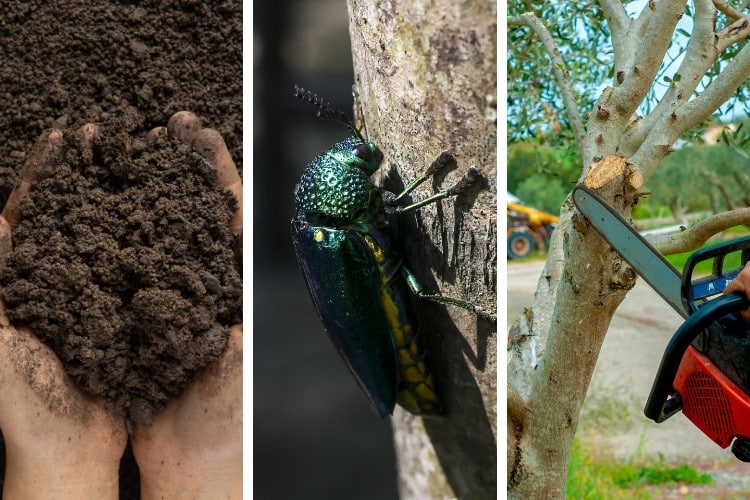
Growth regulators work best as part of a broader plant health care strategy that includes soil management, pest and disease control, and structural pruning.
How Do Growth Regulators Fit Into a Comprehensive Plant Health Care Program?
Each treatment in a plant health care program amplifies the others, and growth regulators are the foundation. By strengthening root systems and improving a tree’s internal defenses, they make every other service — soil work, pest management, structural pruning — more effective:
- Soil Amendments + Growth Regulators: Soil health programs support the enhanced root system that growth regulators create. Healthier soil gives those new fine roots more to work with, which results in better nutrient availability, improved drainage, and stronger microbial activity.
- Pest and Disease Management + Growth Regulators: Trees treated with growth regulators develop thicker leaf cuticles and increased condensed tannins, which improve resistance to pests and disease. Paired with an integrated pest and disease management approach, this creates layered protection.
- Structural Pruning + Growth Regulators: Structural pruning shapes the crown. Growth regulators strengthen what’s underneath. Together, they create balanced, resilient tree architecture.
This is the difference between individual treatments and a strategy — and it’s the kind of professional plant health care a Certified Arborist develops as a multi-year plan tailored to your property’s specific trees, soil conditions, and goals.
Signs It’s Time to Consider Tree Growth Regulator Treatment
Growth regulators are most effective when applied proactively — before visible decline sets in. If you’re noticing early signs of stress or want to better manage the performance of high-value trees, it may be time to involve a professional arborist.
Your trees may be good candidates if you’re seeing:
- Mature trees showing early stress, such as thinning canopies, undersized leaves, or minor branch dieback
- Specimen trees near homes, views, or outdoor living spaces that would benefit from more controlled, manageable growth
- Heritage or high-value trees that define your property and are worth protecting long-term
Because growth regulators require precise dosing based on species, tree size, site conditions, and overall health, a Certified Arborist should evaluate your trees before treatment. This ensures the right approach is used, improving root development and structure without over-suppressing growth.
Frequently Asked Questions About Tree Growth Regulator Benefits
Can tree growth regulators help trees recover from storm damage?
Growth regulators are primarily a proactive treatment — they’re most effective when applied to healthy or mildly stressed trees before damage occurs. If your tree has sustained storm damage, an arborist assessment should come first to determine whether the tree is a candidate for recovery treatments.
Can growth regulators extend the lifespan of mature trees?
Growth regulators won’t reverse severe decline, but they can slow the progression of age-related stress in otherwise healthy trees. By redirecting energy toward root development and internal defense systems, treatment helps mature trees maintain vitality longer — which is especially valuable for irreplaceable specimen trees that would take decades to replace.
Are tree growth regulators safe for nearby plants and garden beds?
The treatment is applied directly to the soil at the base of the target tree and is taken up through the root system. When applied by a Certified Arborist at the correct dosage, it targets the treated tree without affecting surrounding plants.
How do ISA Certified Arborists determine the right growth regulator protocol?
Your arborist evaluates species, trunk diameter, canopy condition, root zone health, and site factors, like soil compaction and sun exposure, before recommending treatment. Dosing rates vary significantly and the initial arborist assessment is what separates effective treatment from wasted product or unintended growth suppression
Can growth regulators prevent a tree from outgrowing its space?
Growth regulators manage the rate of growth — they don’t permanently stop it. They’re effective for slowing a tree that’s encroaching on structures, views, or utility lines, but they work best as part of a broader management plan that may include structural pruning.

A Certified Arborist evaluates species, tree size, canopy condition, and site factors before recommending a growth regulator protocol.
Strengthen Your Shoreline and Eastside Trees This Spring
Healthy, resilient trees don’t happen by accident — they’re the result of proactive care at the right time. As your trees enter active spring growth, it’s the ideal window to improve root strength, canopy performance, and overall long-term health with growth regulator treatments.
Seattle Tree Care is the first locally owned company in Seattle to earn TCIA accreditation, with 12 ISA Certified Arborists who understand the specific species, soil conditions, and landscape goals across Shoreline and the Eastside. Call 206-222-0687 or request a quote online to schedule a specimen tree care consultation.


SEE MORE ARTICLES FROM OUR b(LOG)
We've got you covered with tips, resources, updates, how-to's, and other helpful information about trees and landscapes in Seattle, Puget Sound, and King County, WA. Join the thousands of smart local residents who get the monthly newsletter from Seattle Tree Care for helpful information you won't want to miss!
There's no spam - we promise! We are committed to keeping your e-mail address confidential. We do not sell, rent, or lease our contact data or lists to third parties.